AI Photography Won’t Kill Your Career, But It Is Changing the Rules
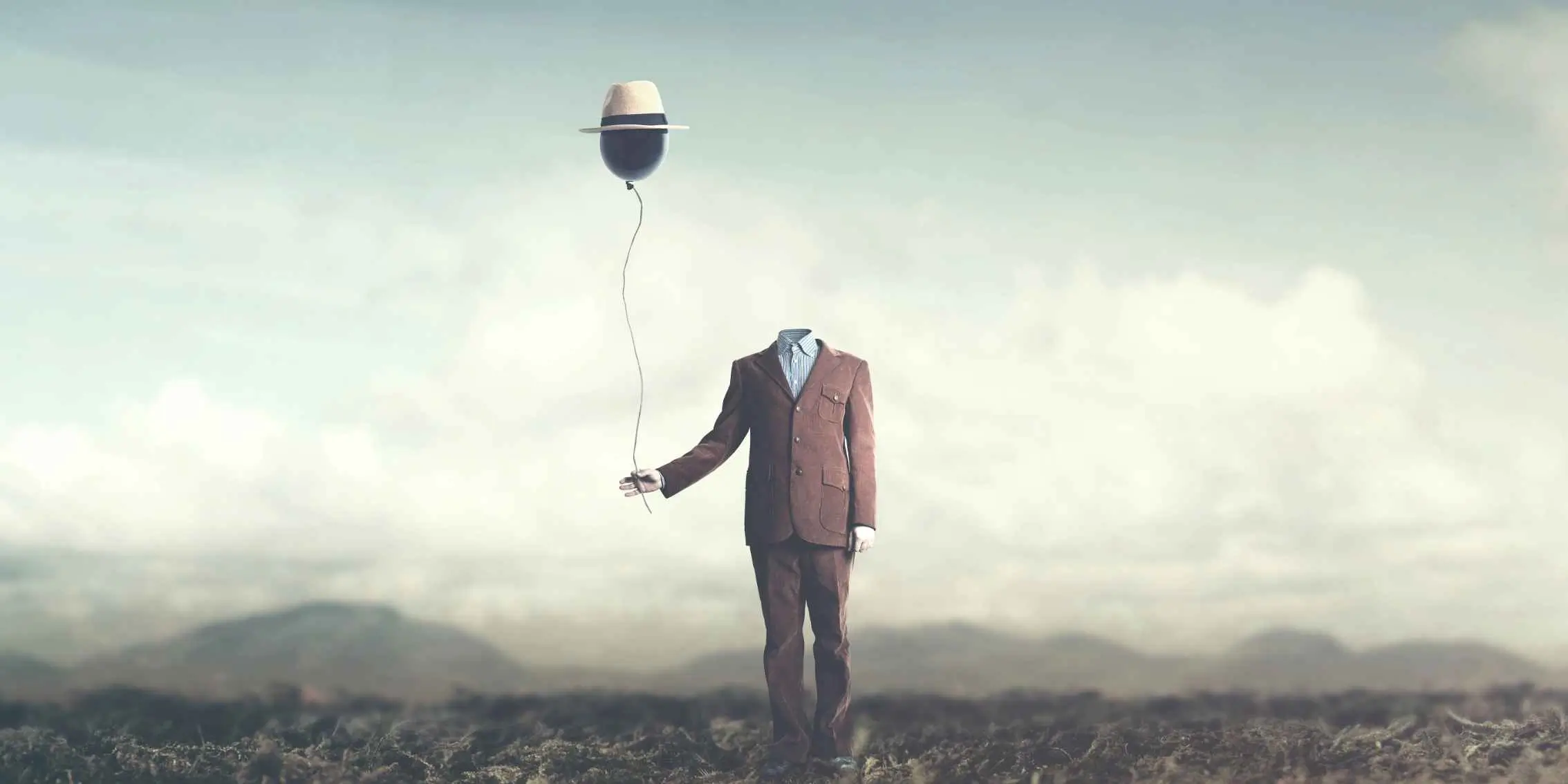
Image Source: Shane Avery - Unsplash
AI didn't ask permission before it changed photography. It arrived fast, improved faster, and is now capable of producing images that many people cannot distinguish from a photograph.
This matters for working photographers, for clients, and for anyone who still believes a camera frame carries a kind of truth.
The honest answer is not that AI is ending photography. It’s doing something more nuanced than that. AI photography is exposing which kinds of work are built on craft, judgment, and trust, and which kinds are built on speed and interchangeable output.
Here’s why that distinction is now impossible to ignore.
In short...
AI kills mediocrity first: It threatens work built on volume and speed, making your unique taste and creative judgment more valuable than ever.
Authenticity is the new premium: As synthetic imagery floods the web, the value of a real moment captured by a real person rises.
AI is a workflow tool, not an artist: Use photography AI to speed up editing and cleanup so you have more time to focus on your vision.
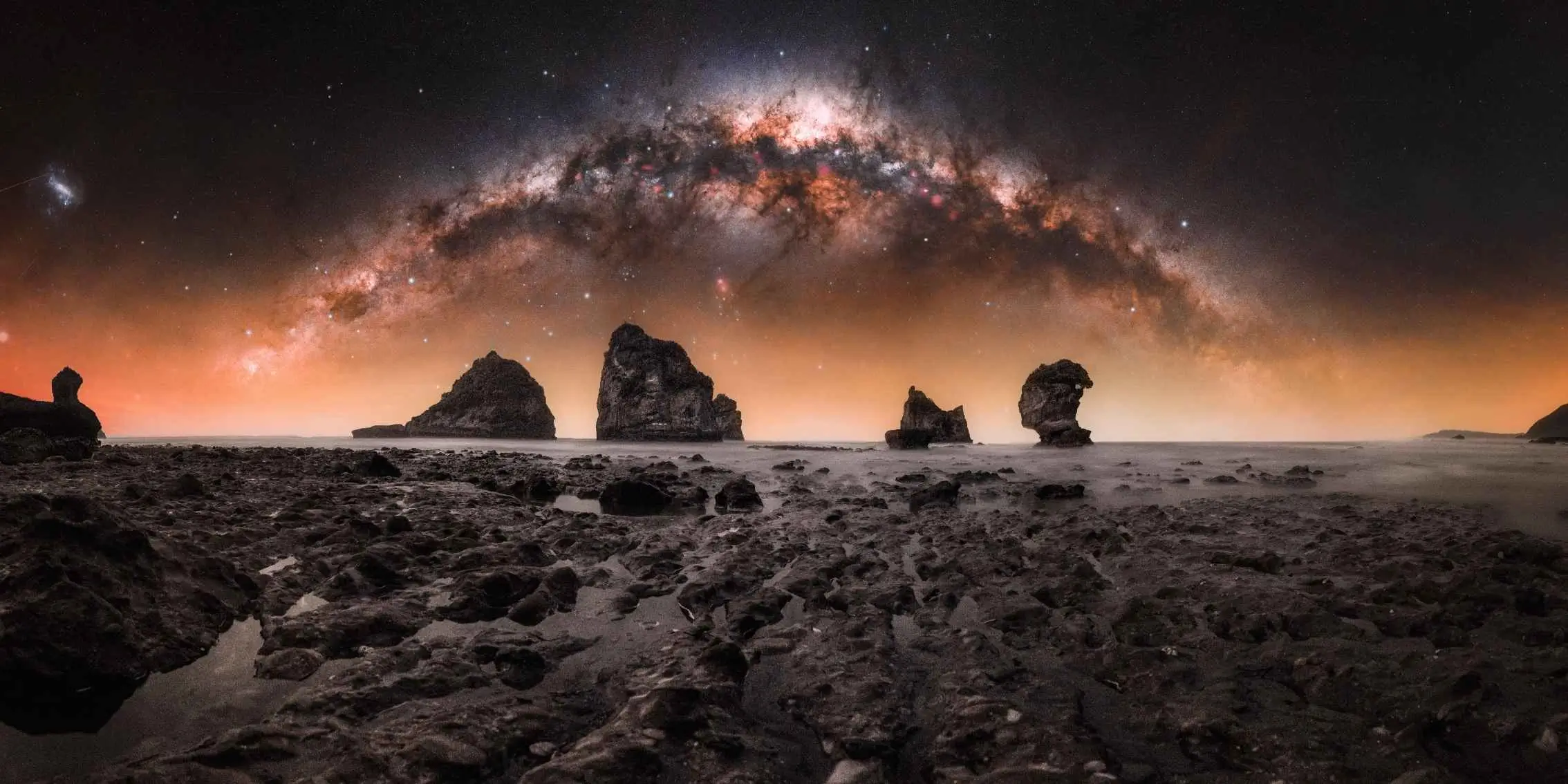
Image Source: Adobe Stock
What is AI Photography, and what can it actually do?
AI photography is an umbrella term for a broad shift in how images are made. At one end, it means text-to-image generation: systems that create convincing visual scenes from a prompt alone.
At the other, it means AI-assisted editing inside tools photographers already use. Software can now mask subjects, reduce noise, or extend backgrounds with alarming ease.
Then there is the quieter category that matters just as much. Modern camera systems use photography AI to detect faces, track subjects, and automate exposure. That is technology in action, even if it doesn't look dramatic on the surface.
The honest threat assessment
AI photography isn't coming for all photography evenly. It’s coming for the work that was already under pressure from price, speed, and volume.
Stock libraries are exposed first. Generalist commercial work will be next. If your value proposition is that you can produce clean, usable images quickly and cheaply, AI now competes with that promise directly. This is not speculation.
Generic product photography is under pressure, too. Content made only to fill a social feed, satisfy a brief, or keep a marketing calendar moving is now vulnerable. The more the work depends on sameness, the more AI can imitate it.
The uncomfortable truth is that AI will not erase the best photographers. It will punish the most replaceable ones.
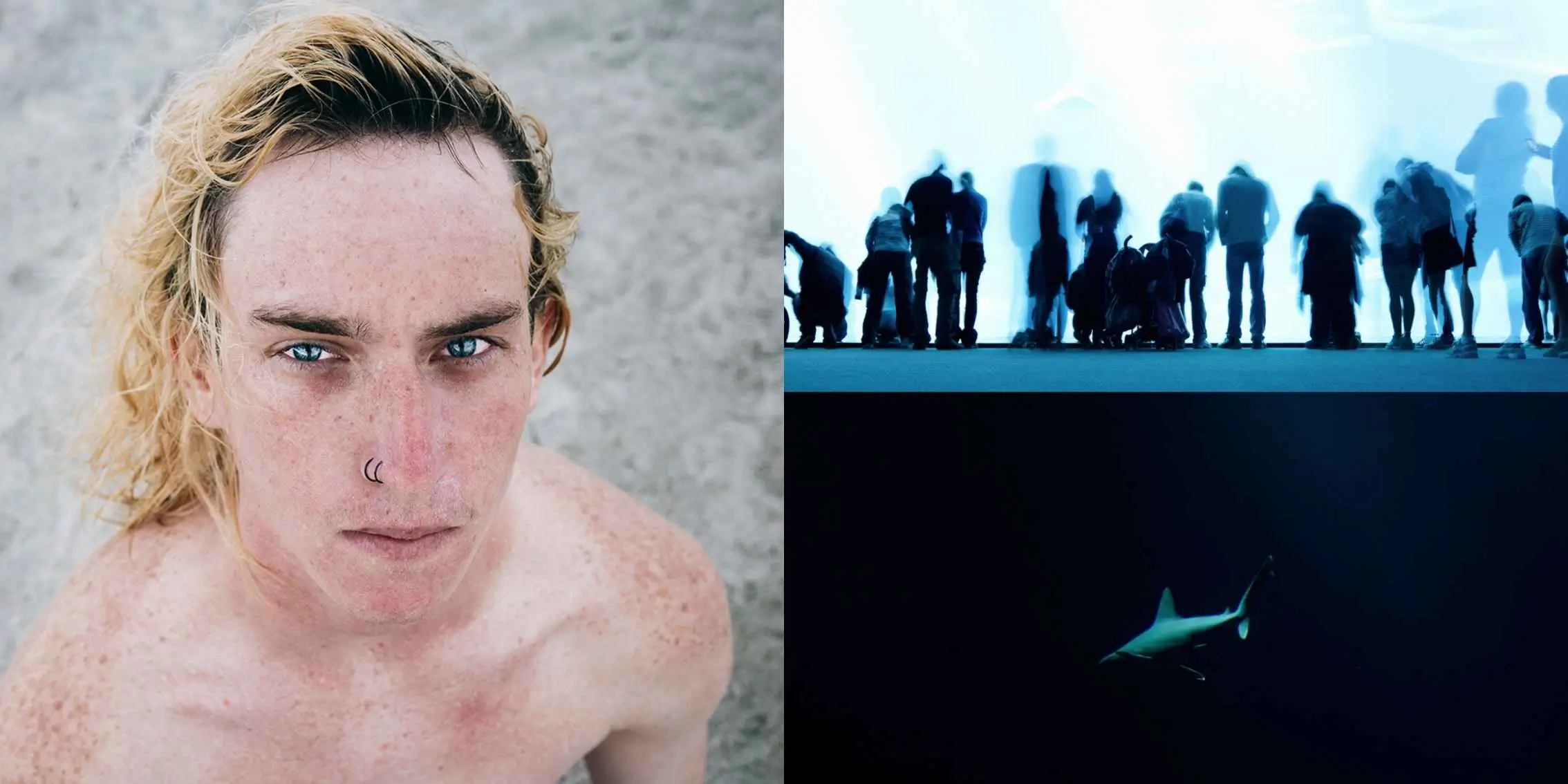
Image Source: Adobe Stock
The trust problem nobody wants to talk about
The deeper issue is not craft. It’s truth.
Photography is quietly splitting into two markets. One side still values documentary truth like journalism, forensic work, or authentic storytelling. The other cares only about aesthetics and output. AI is accelerating that divide.
For more than a century, a photograph carried a special authority because people assumed a camera had witnessed something real. That assumption is now broken. Once AI-generated images become indistinguishable from photographs, the photograph loses part of its cultural power as proof.
And yet, there is a strange consequence. Real photography becomes more valuable, not less. When the world is flooded with synthetic imagery, the value of a real moment, actually observed and recorded, rises. Authenticity stops being a default. It becomes a premium.
Ok, so here does this leave the working photographer?
It leaves the serious photographer in a better position than the average one. That is the point people often miss.
AI does not threaten expertise in the abstract. It threatens work that can be swapped out without consequence. If a client can replace one image-maker with another, or replace the image-maker with a prompt, then the work was already vulnerable.
The photographers who thrive bring more than just output. They bring presence and taste. They know how to see a frame before it exists, how to work with a subject, and how to create images that feel specific rather than generic.
That is not sentimental. It is commercial reality. A photographer with technical confidence and a distinct point of view is not easy to replace.
This is where the conversation gets more useful. AI photography tools are already making pros faster in ways that are worth having.
Masking is faster. Noise reduction is cleaner. Cleanup work is easier. Background extensions and generative editing can save hours in post-production. Used well, these tools do not replace the artist. They remove friction so the photographer can spend more time on the parts that matter.
The distinction is everything. A workflow tool used by a skilled artist makes them more efficient. AI as a generator of synthetic images creates a different category of image altogether. One supports craft. The other competes with it.
Is AI going to replace professional photographers?
AI will replace photographers whose work is purely functional or interchangeable. If your value is built on authentic storytelling, unique human judgment, and genuine client relationships, AI becomes a partner rather than a threat.
What is the difference between AI generation and AI editing?
AI generation creates entirely new, synthetic images from text prompts with no camera involved. AI editing tools, such as intelligent masking, noise reduction, and generative fill, are used by photographers to refine and perfect images they have already captured.
How can I make my photography AI-proof?
Develop a unique visual style, build genuine relationships with your clients, and invest in technical mastery that goes beyond auto settings. AI cannot replicate your ability to read a room, connect with a subject, or manage the complex logistics of a professional shoot.
Every few years, photography changes again. AI is the latest shift.
The first third of my career was spent shooting B&W Kodak Tri-X film for newspapers. Then came digital photography, and some photographers argued that it wasn’t “real photography” anymore. Around the same time, many said the same thing about Photoshop.
I’ve used Adobe Photoshop since Version 5 in 1998, and it quickly became part of how I shape and refine my images, much like working in a darkroom years ago.
Today, AI has become another tool. AI can reduce noise, organise archives, and speed up workflow. I still photograph in RAW+JPEG, and most of my final images are carefully processed from RAW files. AI helps streamline that process.
But photography has always been about more than technology.
It’s about being out in the world. Feeling the cold, the heat, the ocean breeze, the rain, or the silence before sunrise. It’s about connecting with people, racing to catch the last golden splash of light across your subject’s face, observing and reacting to moments that sometimes only last 1/500th of a second.
I love refining my images on a computer. But for me, photography has always been about more than the finished frame. There’s still joy in being out in the world making photographs. A camera is often the very thing that helps us see each other.
So embrace these new tools. Learn them. Experiment with them.
Technology will keep changing. The joy of making photographs never will.
This is exactly why serious training matters now. If AI is accelerating the divide between mediocre and excellent work, then the time to invest in craft and technical control is now.
That means learning lighting properly. It means understanding composition beyond instinct. It means knowing how to work with people, not just cameras. It means developing judgment that a machine cannot simulate.
In Module 4, The Film and Digital Process, we help you move past "auto" settings so you can master the raw controls that machines struggle to simulate. We show you how the digital sensor works and how you can use in-camera controls to capture the highest quality data possible.








 Argentina
 Austria
 Belgium (NL)
 Bolivia
 Brazil
 Canada (FR)
 Chile
Chile
 Colombia
 Costa Rica
 Ecuador
 France
 Germany
 Hong Kong
 India
India
 Indonesia
 Ireland
 Italy
Italy
 Japan
Japan
 Malaysia
 Mexico
 Netherlands
 New Zealand
 Paraguay
 Peru
Peru
 Philippines
 Portugal
 Qatar
Qatar
 Singapore
 South Africa
 Spain
Spain
 Switzerland (DE)
 United Arab Emirates
 United Kingdom
 United States (ES)
 Uruguay