Get to Know PI Graduate Alex Shurko
We're excited to feature #PIgraduate Alex Shurko as he talks us through his photography journey, his approach to capturing images, the hurdles he overcame along the way, and what it was like to study with The Photography Institute.
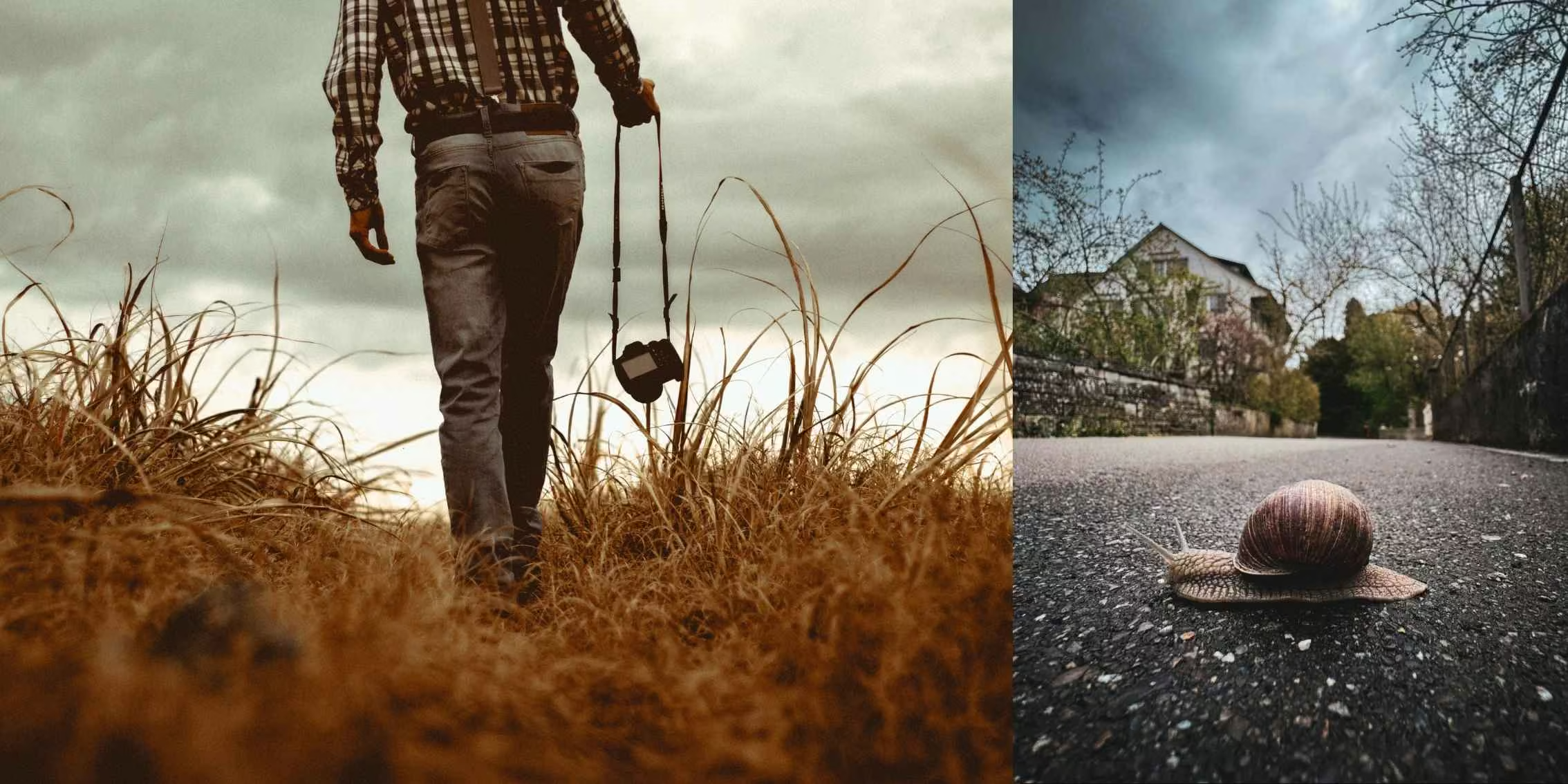
 Image Source: Alex Shurko
@streetlight.photography
Please share a bit about yourself
I’m 46, originally from Minsk, Belarus, and have been living in the UK for over 20 years now.
For most of my adult life, I’ve had quite a strong entrepreneurial side and spent a lot of my time running my own small business. Until quite recently, I never really thought of myself as a creative person — that part of me somehow stayed unexplored for a long time.
Over the last couple of years, quite a lot has changed, including the way I look at life. These days I’m trying to live more from a place of curiosity — to explore, stay open to new experiences and see where things lead rather than having everything planned in advance.
Photography has become a big part of that change, but more generally I think I’m interested in exploring both the world around me and my own potential within it.
What was your childhood dream?
Probably like many boys, at different times I wanted to be an astronaut, a firefighter, or something along those lines that implies adventure.
Recently, though, I found an old photo of myself at around seven or eight, holding a very basic film camera. It brought back memories of a short period when I was really into photography — I even developed my own film in the bathroom. I recently found that camera again in the attic...
And according to my mum, as a child I also used to say that I wanted to live in England one day. I don’t remember that part, but somehow it came true.
What’s on your wish list?
I guess the main thing is to keep exploring — both the world around me and myself. To collect experiences, get to know myself better and keep stretching my creative and artistic side.
I want to keep developing my photography, especially documentary work and human stories, street photography. Every now and then I also think about making some kind of documentary film one day. I’m not sure where that idea will lead, but it keeps coming back.
A lot of the more specific things on my wish list tend to involve travel. Lake Baikal in Russia is very high on the list, and I’d love to make at least part of that journey on the Trans-Siberian Railway. I’d like to document the trip somehow — not just the landscapes, but the journey itself, the people I meet and the connections along the way, perhaps through both photography and video.
I’ll also be visiting New York with street photography very much in mind, and Tokyo and Istanbul are high on my list for similar reasons. For me, travelling is becoming less about simply seeing a place and more about experiencing it, meeting people and finding stories along the way.
What brings you joy?
Exploration, a sense of adventure, and being in that creative state of mind where things feel more open and less restricted by expectations or conditioning.
I really enjoy walking the streets with a camera, either on my own or with other people, with no particular rush or destination. There is something about slowing down, paying attention and suddenly seeing things around you more clearly.
I guess joy for me is also closely connected to a sense of balance — those moments when everything becomes quieter, you feel present, and there is a kind of natural flow to what you are doing.
Image Source: Alex Shurko
@streetlight.photography
What are your hobbies?
Photography is probably the biggest one now, although it has become such a natural part of my everyday life that it doesn’t really feel like a separate hobby anymore. I almost always have a small camera with me, and if I don’t, I’ll still use my phone.
I also enjoy travelling, exploring cities, going to art exhibitions, installations and performances, especially contemporary dance. (A friend of mine who worked as a videographer for many years once told me that he can see a kind of dance in my photography. I’m still not completely sure what he meant, but I really like the metaphor).
I’m also interested in Chinese philosophy and metaphysics (including tea ceremonies :-) ) and enjoy exploring those subjects in my own time.
What inspired you to become a photographer?
Quite an interesting story, actually.
I suppose the first signs were there in childhood. As I mentioned earlier, I had a simple camera, took pictures and even developed film myself for a while. Then life moved on, circumstances changed, and photography disappeared from my attention for many years.
It came back in a very unexpected way less than two years ago. In January 2025, I did a week-long retreat, spending the whole time in complete pitch-black darkness. (Now I joke that my eye for photography was developed in the darkroom :-) )
A few weeks after the retreat, I suddenly had this very strong urge to buy a camera and start taking pictures. It felt almost like hunger — something very instinctive. I already had a trip to New York planned, so I decided to buy a small camera that would still allow me to shoot manually and simply take it with me. I didn’t even know much about street photography as a genre at the time, but looking back, that trip was probably my first real attempt at it.
It also worth mentioning, that photography had also been quietly present in the background of my life before that. My former partner was interested in photography at a hobby level, so over the years I was exposed to it without really paying much attention (like passive smoking - you do not smoke but it affects you anyway). I think some understanding of aesthetics, composition and simply looking at images probably got absorbed unconsciously. So when photography suddenly entered my life much more actively, perhaps there was already some kind of foundation there — I just didn’t know it yet.
PS And by the way, the darkness retreat story had another unexpected twist later on. The facilitator I did it with eventually opened a Darkness Hotel, and earlier this year he was approached by a journalist from The Times Magazine who was writing a piece about the experience. They brought their own photographer, so I had no connection to the article at all.
Then, when the piece was published a few months later, I discovered that they had actually used a portrait I had taken of him on another occasion. That was a complete surprise. I certainly didn’t expect that one of my portraits would end up being published in The Times Magazine. Somehow, the experience that helped bring photography into my life eventually led to my first major publication as well.
What is a typical day in your life like as a photographer? Do you have any rituals that you stick to?
I don’t think I really have a typical day as a photographer yet, or any particular rituals. The main one is probably just trying to always have a camera with me and open mind. You can be driving somewhere, walking through a city, or just doing normal everyday things and suddenly see a moment that could become a photograph or maybe even part of a story. And if I don’t have a camera with me, I usually regret it.
So I guess my approach at the moment is quite simple — stay curious, keep observing, look for stories, and try to make photographs that say something rather than just look technically correct. I’m drawn to documentary work, storytelling, and sometimes a slightly cinematic or fine-art feel. Also more raw, gritty and biased towards B&W.
Image Source: Alex Shurko
@streetlight.photography
What are some of your goals in photography?
When I first started photography, I had absolutely no idea where it might lead. The biggest surprise was discovering this artistic side of myself that I didn’t really know was there. So in the beginning, my main goal was simply to develop that side of myself and see where it could take me.
The first year or so was mostly about learning, experimenting and understanding how things work in practice. I wasn’t really thinking about photography as a profession. That started to change after I volunteered to document some events I was involved in. People saw the photographs and began asking whether I could photograph them too, and that made me realise that photography could perhaps become part of how I make a living.
From there, I experimented with portraits, events, music, a little bit of sport and even a few weddings. But interestingly, all of that brought me back to street and documentary photography. That’s still where I feel most naturally drawn, so one of my main goals now is to keep developing my own visual language and become better at telling human stories - to be able to built more complexity into an image with more layers, emotion, etc, but that looks natural, organic and well inter-connected.
Another direction appeared quite unexpectedly. A local Facebook photography group I’m part of was looking for someone to run workshops for beginners. At the time I was still finishing my Photography Institute diploma and was thinking, “Am I really qualified to teach anyone yet?”
I was very open about still being relatively new myself, but eventually they offered me the opportunity. I ran my first workshop in August, and it made me realise that even though I’m still developing as a photographer, I already have something useful to share with people who are just starting out. And personal face-to-face dealing is much more powerful than a book or video tutorial.
Teaching also helps me understand photography better myself. Something like composition can initially feel quite intuitive, but once you have to explain why one frame works better than another, you start seeing it in a much more analytical way.
What I also really like about workshops and photowalks is that they can become much more than just photography. They can be done locally, but they can also naturally connect with travel and exploring new places. And there is something almost meditative about street photography — you slow down, become more present, start noticing more, and begin to see small stories unfolding in front of you that you might otherwise completely miss.
That kind of experience really appeals to me. It feels much more open and free-flowing than working within a very narrow brief. So going forward, I can see my photography developing around documentary and street work, travel, and creating workshops and photowalks that are as much about the experience of seeing and exploring as they are about taking photographs.
I’m also now considering taking my studies further and possibly doing a Master’s in Documentary Photography and Photojournalism at the University of the Arts London in a few years.
Do you have any professional achievements in your photography journey that you would like to share?
Not yet...
As mentioned above - one milestone that was very special for me happened a few months ago, when one of my portraits was published in The Times Magazine. It was completely unexpected, which probably made it even more meaningful.
It definitely gave me extra motivation to keep developing my work and see where photography can take me.
How do you find a healthy work/life balance?
I try to keep it quite simple and look after the basics. I don’t smoke or drink anymore, I pay attention to my sleep, and most mornings start with a small ritual of tea and qigong practice.
By nature, I can be quite driven, so for me balance often means deliberately slowing myself down rather than pushing harder.
I think the main thing is trying to stay in a state of clarity, balance and equanimity. When those things are in place, work and life tend to feel much more manageable.
Is the online community important to your work?
That’s a good question. I think community in general is important, and the online community definitely has a role to play as well.
If I’m honest, social media is probably still one of my weaker areas. I’m learning how to use it better, but I don’t want it to become the reason I make photographs.
I sometimes think about Vivian Maier, who photographed for most of her life while working as a nanny and whose work only became widely known later. For me, that’s a good reminder that recognition and community are valuable, but they are not everything.
The process of photography itself is more important to me — observing, exploring, creating and developing the way I see things. If recognition comes with that, then great, but I’d rather see it as a bonus than the main goal.
Describe your work in three words:
Artistic, documentary and street-style.
Image Source: Alex Shurko
@streetlight.photography
Rapid Questions
What is your
favourite
colour?
in addition to black & white - blue
What is your favourite quote?
“I’m wearing dark glasses today because I’m seeing the future, and it’s looking very bright.” by David Lynch
What are your favourite books and/or magazines?
At the moment, two books I keep coming back to are the "I Ching" ("The Book of Changes") and Lao Tzu’s "Tao Te Ching". I’m also currently reading "In the Blink of an Eye" by Walter Murch, which I’m really enjoying.
What are your
favourite
movies and/or series?
I really like Slow Horses with Gary Oldman. I also really enjoyed the Netflix documentary My Octopus Teacher. More recently, I was also really impressed by Paolo Sorrentino’s La Grazia.
What is your
favourite
photography genre and why?
Definitely documentary and street photography. I like the fact that it deals with real life as it is — not polished or overly staged. It gives you a chance to notice small human stories, moments and details that might otherwise disappear. I also like the idea that photography can document a particular place, time or even an era. You may take a photograph simply because something caught your attention, but years later it can have a completely different meaning. And for me there is also a contemplative side to it. Street photography makes you slow down, observe more carefully and become more present. In that sense, it can be as much a way of looking at life as a genre of photography.
Who is your favourite photographer and why?
If I had to choose one, probably Helmut Newton.
I remember watching one or two documentaries about him before I was seriously interested in photography, and he still made a very strong impression on me. It was not only the photographs, but the way he thought, his personality and how confidently he approached his work.
Later, when I became more interested in photography myself, I started to appreciate his work on another level. Even though he is mainly associated with fashion photography, there is often something much less polished and more observational in his images. He was influenced by photographers like Henri Cartier-Bresson, and I like that tension in his work between something staged and something that still feels strangely real.
I also admire the fact that he was not afraid to push beyond accepted norms, experiment and create work that was unmistakably his own. The body of work and visual legacy he left behind are extraordinary.
What are your favourite accounts to follow?
Work & Study
Why did you choose to study with PI?
What appealed to me most was the flexibility of studying online and being able to work through the course around my own schedule.
I also read a lot of positive reviews before signing up, and I liked the fact that the course seemed to go into quite a lot of depth rather than just covering the basics.
Another important point for me was that it was a course in professional photography, not just something at an amateur level. I wanted to approach photography seriously and build a proper foundation, rather than simply pick up a few basic skills.
Image Source: Alex Shurko
@streetlight.photography
What did you like most about the course?
What I liked most was probably the depth of it.
There were quite a few subjects where I remember thinking, “I’m not sure I’ll ever use all of this,” but later I realised that even if I don’t remember every detail, the understanding stays somewhere in the background. Colour theory is a good example. I may not consciously think about all the principles when I take a photograph, but having learned them changed the way I see things.
For me, that was one of the most valuable parts of the course — not just learning what to do, but starting to understand why things work the way they do.
I also liked the way the course gradually came together. At times it felt like we were moving through quite different subjects, but by the end they started connecting and forming a much more complete picture of photography.
What advice would you give to new students?
Take your time. There really is no rush.
I think the most important thing is to actually practise what you are learning. Reading the theory is useful, but it only really starts to make sense once you go out with a camera and try it for yourself.
I’d also say don’t get too caught up in chasing the best or newest equipment. A very basic camera with manual controls is more than enough to learn photography properly. In the beginning, understanding light, composition and how to see is much more important than the camera itself.
What projects are you working on now?
I’m still working on a documentary project around a retreat that I’m also participating in, called "Shadow of a Shaman". I’m not entirely sure yet what the final body of work will look like, which is actually part of what makes it interesting for me.
I think one of the things I’m naturally drawn to is transformation and transition — in people, in states of mind, and in life in general. Another project growing out of that idea is something I’m calling "Seasons of Life". The idea is to make it a very long-term project around spring, summer, autumn and winter, photographing people, processes and different kinds of transition connected to each season, and how everything eventually changes, repeats and comes around again.
I’m also slowly starting another project around the Barbican in London. The working title at the moment is *Barbicania*. I really like the place because it combines residential life, culture, exhibitions, concerts and public space, all within this very distinctive Brutalist architecture. My idea is simply to keep going back and photographing it regularly — perhaps every month or even more often — and see what kind of body of work develops over a few years.
More generally, I want to keep exploring cities through street photography and documenting more of London, which gives me an endless amount of material right on my doorstep.
How can people connect with you?
My social profiles mentioned earlier:
Image Source: Alex Shurko
@streetlight.photography
Alex, can you share how your experience studying with us was?
I found the Professional Photography Diploma to be a very comprehensive and well-structured
course. What I particularly liked was the depth — it doesn’t just teach you how to use a camera, but goes into why things work the way they do, covering both the technical and artistic sides of photography.
Some subjects felt quite detailed at the time, but looking back, I can see how all those different areas gradually came together and gave me a much broader understanding of photography. Even when I don’t consciously remember every piece of theory, a lot of it has stayed somewhere in the background and influences the way I see and approach an image.
The flexibility of studying online worked very well for me, and the tutors were experienced, knowledgeable and supportive throughout the course.
When I started, photography was still something I was exploring without really knowing where it might lead. By the time I finished, it had developed into a much more serious part of my life. I’m now working on documentary projects, running photography workshops and developing photography as a possible new career direction.
For me, the course provided exactly what I was looking for — a proper professional foundation rather than just a collection of basic photography tips.
Ready to Unlock Your Potential?
Alex's journey shows what can happen when passion is backed by purpose! If this story has inspired you to chase your own creative goals, there's no better time to take the first step.
Enrol with The Photography Institute's
photography course and start learning at your own pace today with expert guidance every step of the way.
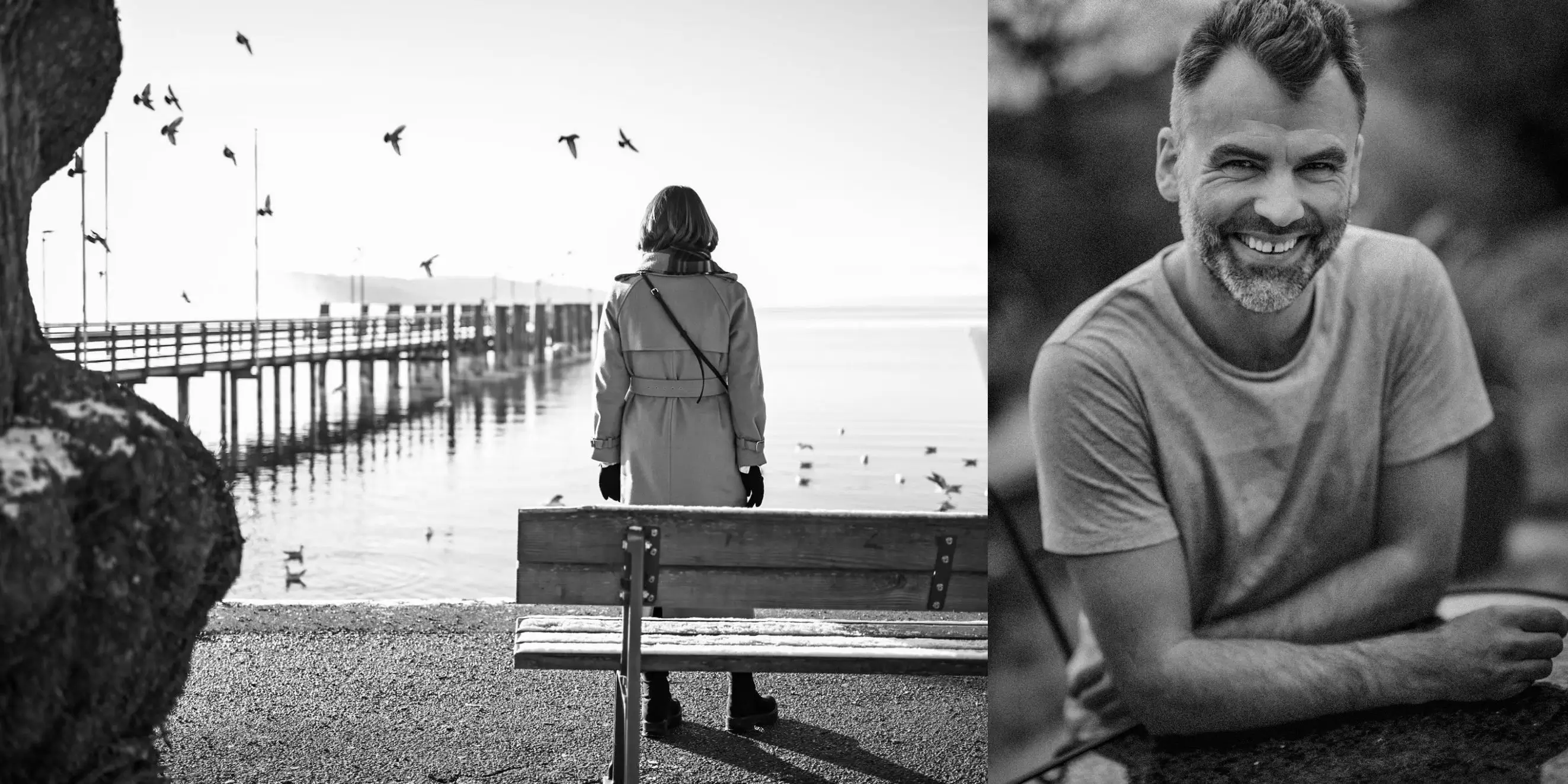 Image Source: Alex Shurko
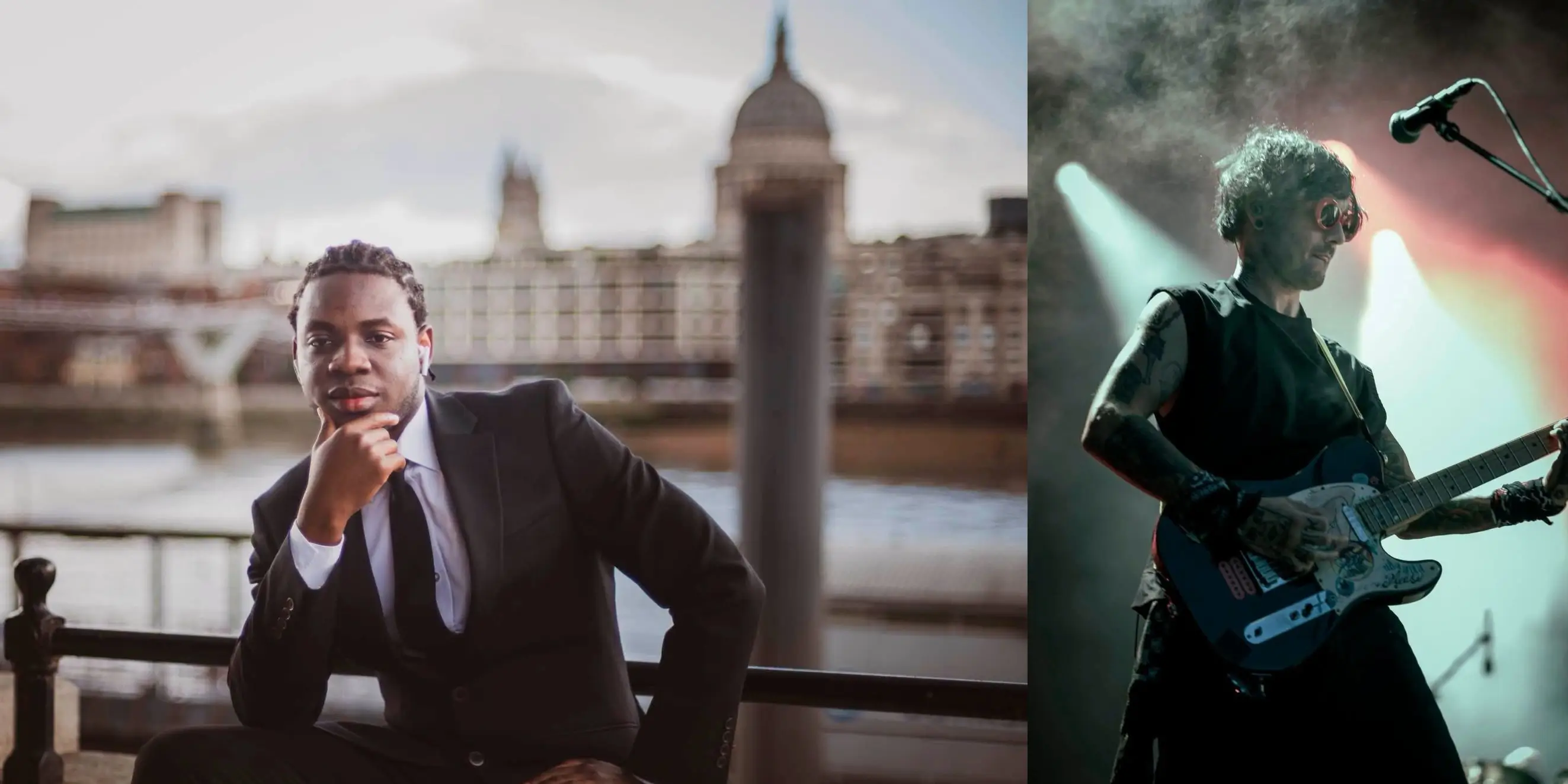 Image Source: Alex Shurko
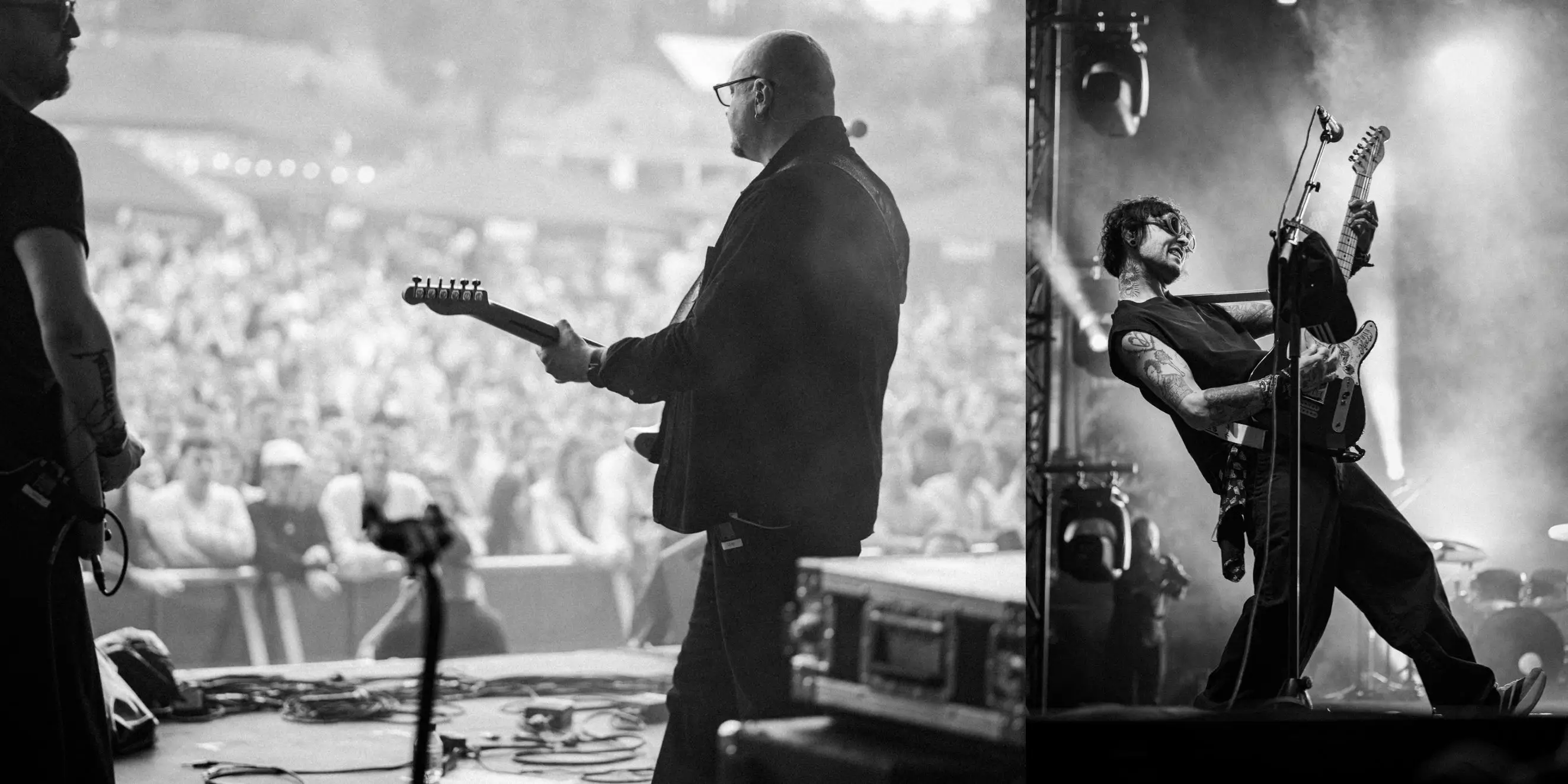 Image Source: Alex Shurko
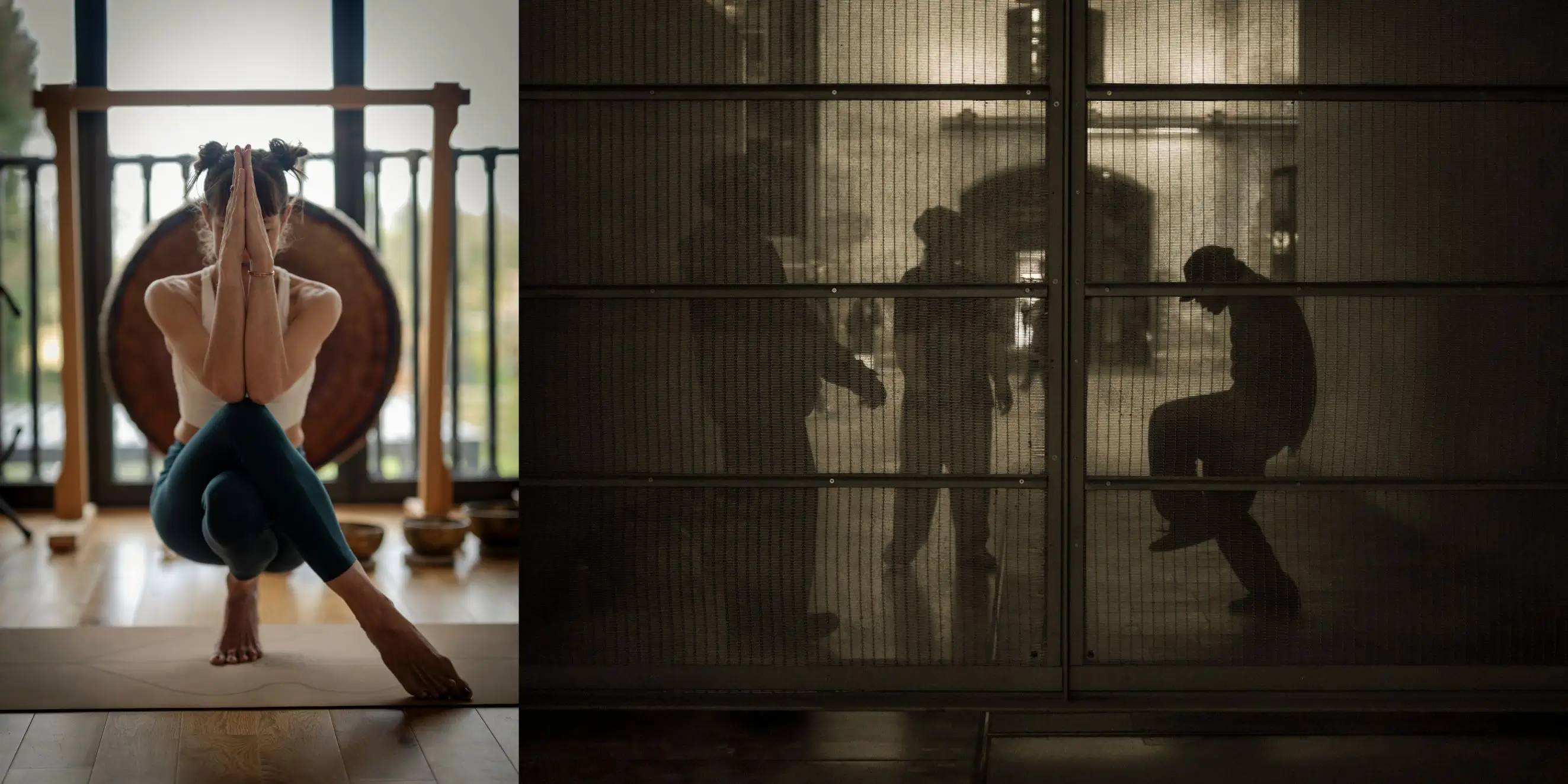 Image Source: Alex Shurko
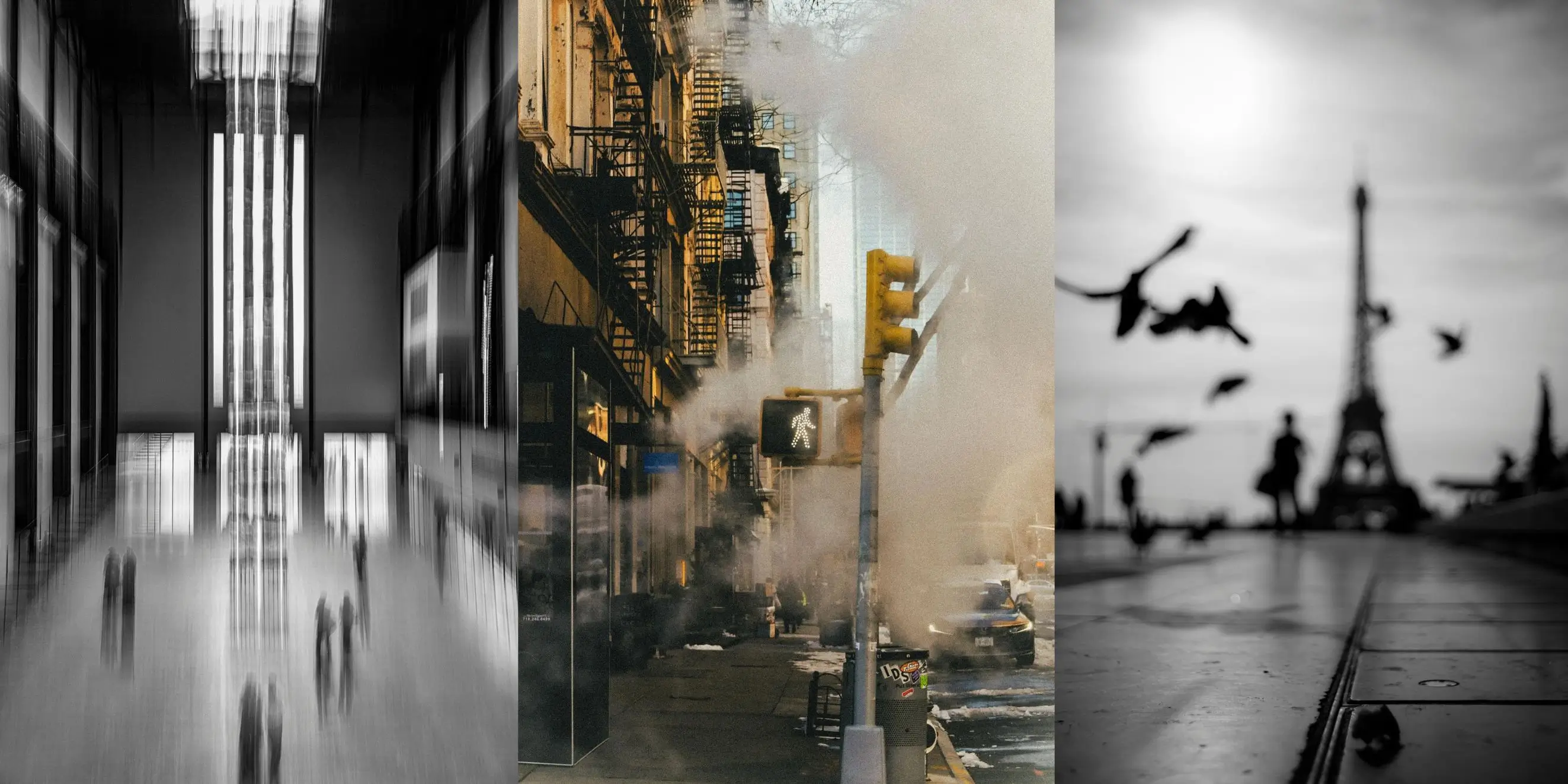 Image Source: Alex Shurko
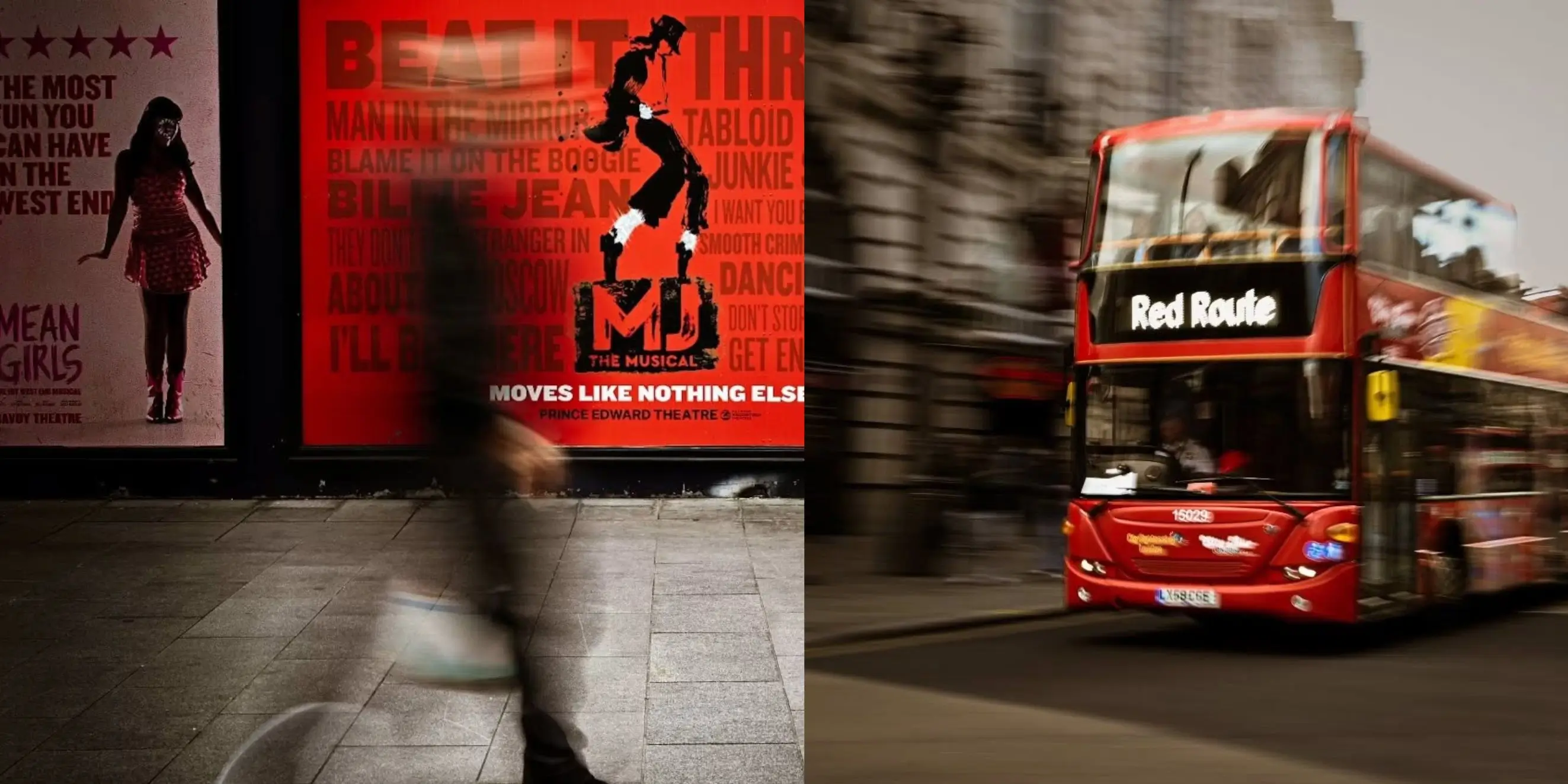 Image Source: Alex Shurko








 Canada (FR)
 Argentina
 Australia
 Austria
 Belgium (FR)
 Bolivia
 Brazil
 Chile
 Colombia
 Costa Rica
 Ecuador
 France
 Germany
 Hong Kong
 India
 Indonesia
 Ireland
 Italy
 Japan
 Malaysia
 Mexico
 Netherlands
 New Zealand
 Paraguay
 Peru
 Philippines
 Portugal
 Qatar
 Singapore
 South Africa
 Spain
 Switzerland (FR)
 United Arab Emirates
 United Kingdom
 United States (ES)
 Uruguay